Metal Roof Over Shingles Problems: 7 Risks Texas Homeowners Should Know
Installing a new metal roof over your existing asphalt shingles can seem like a smart shortcut. You skip the tear-off, save on labor, and get a durable roofing system in less time. But for homeowners in Southeast Texas, where humidity stays high, storms hit hard, and older roofs carry years of hidden wear, that shortcut often comes with serious risks.
This guide breaks down seven specific metal roof over shingles problems you need to understand before signing a contract, along with inspection steps, code considerations, and a practical checklist you can bring to your next contractor conversation.
Key Takeaways
- Installing metal roofing over existing shingles is sometimes possible, but only after confirming roof deck condition, ventilation capacity, and compliance with local building codes.
- The seven core risks include hidden deck damage, trapped moisture, extra structural weight, wrong underlayment or separation layers, uneven surfaces, ventilation and condensation issues, and code or manufacturer warranty limitations.
- Metal roofs can last 40 to 50 years with proper maintenance, but that lifespan depends on proper installation over a structurally sound base-not a quick overlay on a deteriorated shingle roof.
- In many Beaumont, Port Arthur, and Orange area homes with older asphalt shingle roofs, a complete tear off often delivers better long-term value than an overlay.
- Gold Star Windows, Doors, Roofing & More provides on-site assessments and written options for both roof tear off and overlay metal roof installation across Southeast Texas and Southwest Louisiana.
Can You Install a Metal Roof Over Existing Shingles in Southeast Texas?
The short answer: sometimes. You can install a metal roof over an existing asphalt shingle roof, but only when the existing layer is a single course of shingles in reasonably flat, sound condition, the roof deck underneath is free of rot and soft spots, and local building codes permit the overlay.
A metal roof over existing shingles is most realistic on relatively young asphalt shingle roofs-those installed after roughly 2010-with no sagging, active leaks, or widespread curling. Metal roofing is fire resistant and won't rot like traditional shingles, making it an attractive upgrade, but those benefits vanish if the foundation underneath is compromised.
Homes in Beaumont, Port Arthur, Orange, Vidor, and Lumberton face heat- and storm-related wear that makes a roof-over risky when shingles are brittle, cracked, or showing heavy granule loss. Local building codes and HOA rules in Jefferson, Orange, and Cameron parishes may also limit how many roofing layers are allowed on your existing roof structure.
At Gold Star, we review attic framing, roof deck integrity, ventilation systems, and manufacturer requirements before recommending an overlay or a complete tear off. For a broader look at whether metal-over-shingles is right for your situation, see our guide on metal roof over shingles in Southeast Texas.
Seven Potential Problems With Installing Metal Roofing Over Shingles
Below are the seven metal roof over shingles problems that come up most often in our Southeast Texas service area. Some-like wavy panels or noise-are visible right away. Others, like moisture buildup and structural stress, can take several humid Gulf Coast summers to reveal themselves.
Each risk is summarized here and then explored in detail in the sections that follow:
- Hidden roof deck damage under the old shingles
- Trapped moisture and undetected leaks
- Added structural weight on rafters and framing
- Improper underlayment, separation layers, and abrasion
- Uneven surfaces and wavy metal panels
- Ventilation and condensation concerns
- Code, permit, and manufacturer warranty limitations
Risk 1: Hidden Roof Deck Damage Under Existing Shingles
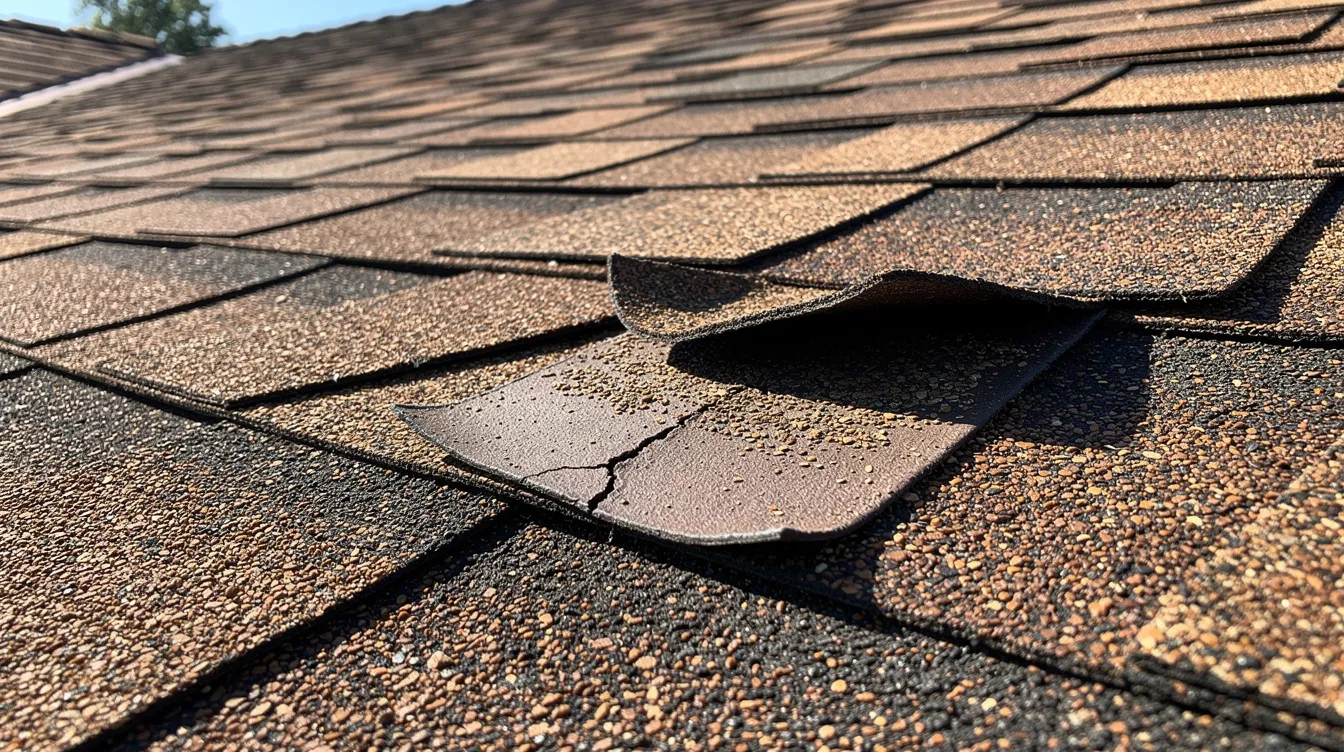
Laying metal panels over old shingles means you lose the chance to inspect the roof deck-and in Southeast Texas, that is a gamble. Homes with 15- to 20-year-old asphalt shingle roofs frequently have rotted wood, delaminated OSB, or soft decking hidden beneath tabs that still look intact from the street.
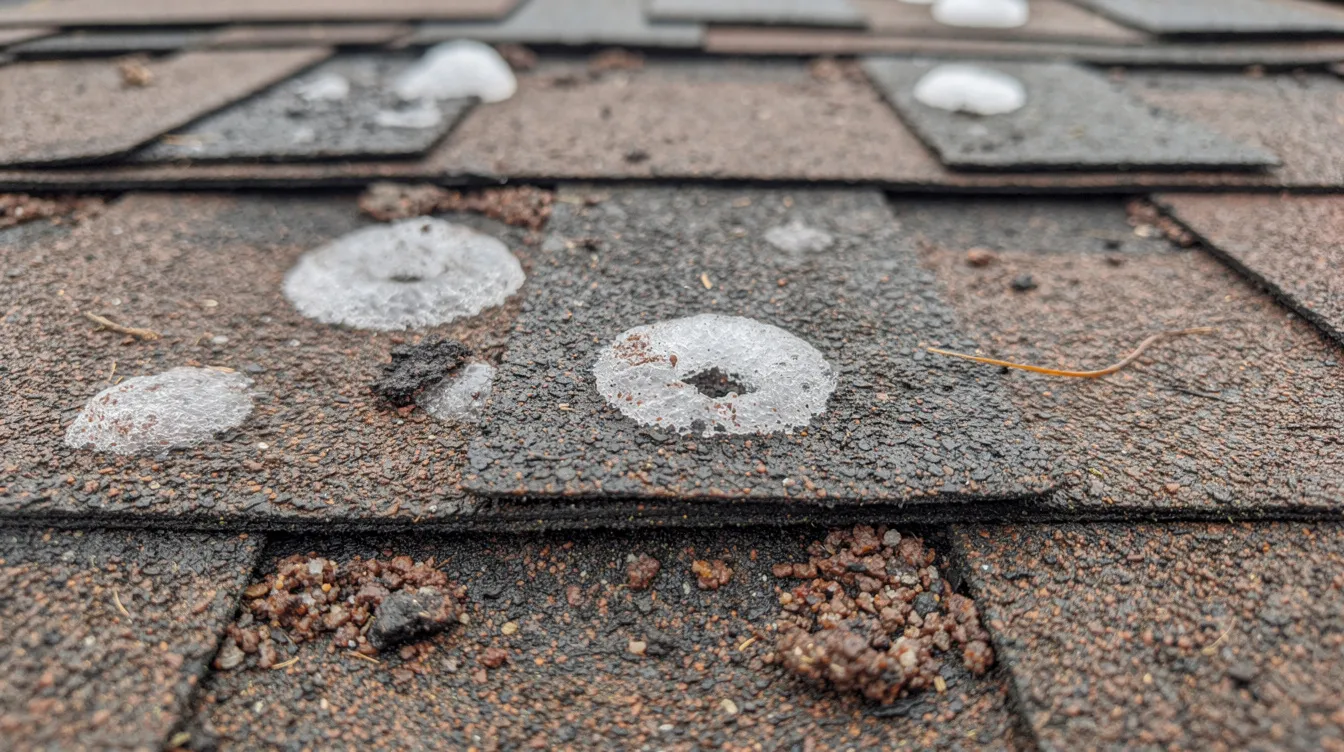
Leaving old shingles in place can hide underlying moisture and structural damage. Granule loss, curled tabs, and prior patch repairs on an asphalt shingle roof are signals that deeper problems may exist in the underlying sheathing. A 2026 observational study of 623 shingle roofs damaged by Hurricane Laura found that damage severity rises sharply after about 8 to 9 years, with nearly universal damage by 14 to 15 years-ages common on many existing roofs in our area.
Hidden damage may worsen under a new metal roof because there is no way to see or address ongoing deterioration. Water from a small leak can travel between roofing layers and show up in a completely different part of the attic, making future leak tracing far more difficult.
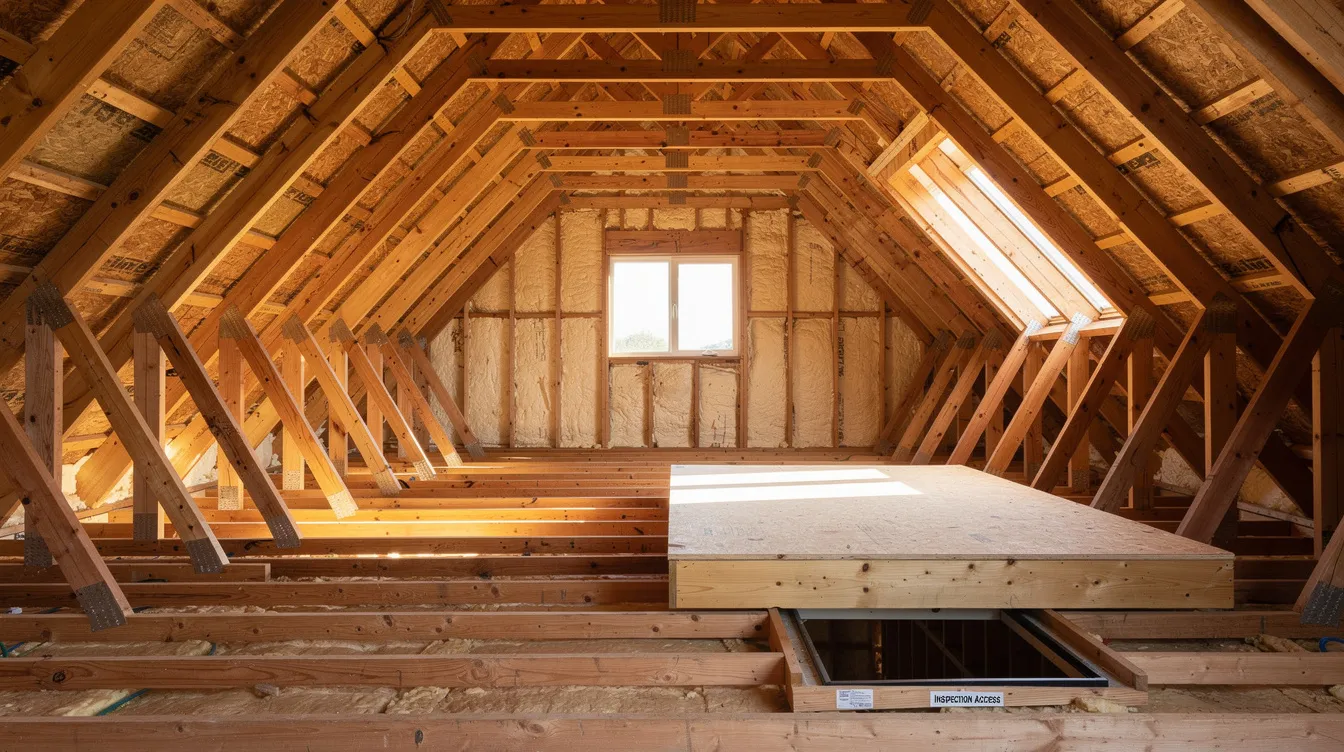
Before approving any overlay, insist on a thorough roof deck inspection-from above and inside the attic-checking for dark stains, mold, nail rust, and sagging plywood. Where widespread soft spots exist, a complete tear off is the only responsible path before installing new metal roofing.
Risk 2: Trapped Moisture and Undetected Leaks
Southeast Texas humidity and frequent heavy rain create conditions where moisture can become trapped between the metal roof panels and the old asphalt shingles. Existing shingles may trap moisture under metal roofing, especially on low-slope roofs or in homes with poorly vented attics.
That trapped moisture leads to mold, mildew odor, and accelerated decay of the wood roof deck and rafters-even when the new roof looks flawless from the ground. Metal roofs over shingles can trap moisture that has no clear path to evaporate, particularly without a proper synthetic underlayment, separation layer, or furring strips.
Existing leaks must be fully repaired-and the roof given adequate drying time-before any metal roofing goes on. Otherwise, the new roofing system simply covers the symptoms while the underlying roof structure continues to deteriorate. Clearing debris from metal roofs also helps prevent moisture buildup over time.
Gold Star evaluates current leak history, attic moisture levels, and ventilation patterns specifically to avoid common metal roof over shingles moisture problems in this climate.
Risk 3: Added Structural Weight on Rafters and Framing
While metal roofing is lighter per square foot than many roofing materials-DECRA metal panels, for example, weigh approximately 1.3 to 1.6 pounds per square foot depending on the profile-adding any new roof layer over old shingles still increases total dead load. Traditional asphalt shingles weigh around 1.9 pounds per square foot for three-tab and 2.3 or more for architectural styles. Weight from additional roofing layers can stress roof structures, particularly on longer spans.
Some Southeast Texas houses built before the early 1990s, or with previous roof-overs, may already be supporting multiple shingle layers plus underlayment. Installing metal roofing adds significant weight to a structure that may already be near its design limit. Local building codes and engineering guidelines typically assume only one or two roof coverings; exceeding that can lead to sagging, ceiling cracks, or even framing failure under wind or storm loads.
Where there is noticeable roof sag or undersized framing, plan on a complete tear off and possibly reinforcing the current roof structure before installing new metal roofing. Gold Star never installs a metal roof over shingles where structural capacity is in doubt.
Risk 4: Underlayment, Separation Layers, and Abrasion
Directly installing metal sheeting on rough existing shingles without the right underlayment or separation layer causes abrasion on the backside of the metal panels over time. Metal roofing expands and contracts with temperature changes, and that movement against the granular shingle surface can wear through paint finishes and protective layers.
Most modern metal manufacturers require you to install underlayment-typically a high-quality synthetic product or slip sheet-between the metal and old asphalt shingles. For example, the 5V Crimp galvanized steel panel requires a separation sheet and minimum 30-pound felt, or optional battens spaced at a maximum of 16 inches on center. Skipping this step can void warranty coverage.
In some assemblies, contractors add new OSB or plywood over the existing roof before installing metal roofing, especially where shingles are very uneven or deteriorated. Ask your installer to specify the exact underlayment brand and assembly, and confirm that it meets both local building codes and manufacturer specs. Remove debris and protruding nails before the installation process begins.
Risk 5: Uneven Surfaces and "Wavy" Metal Panels
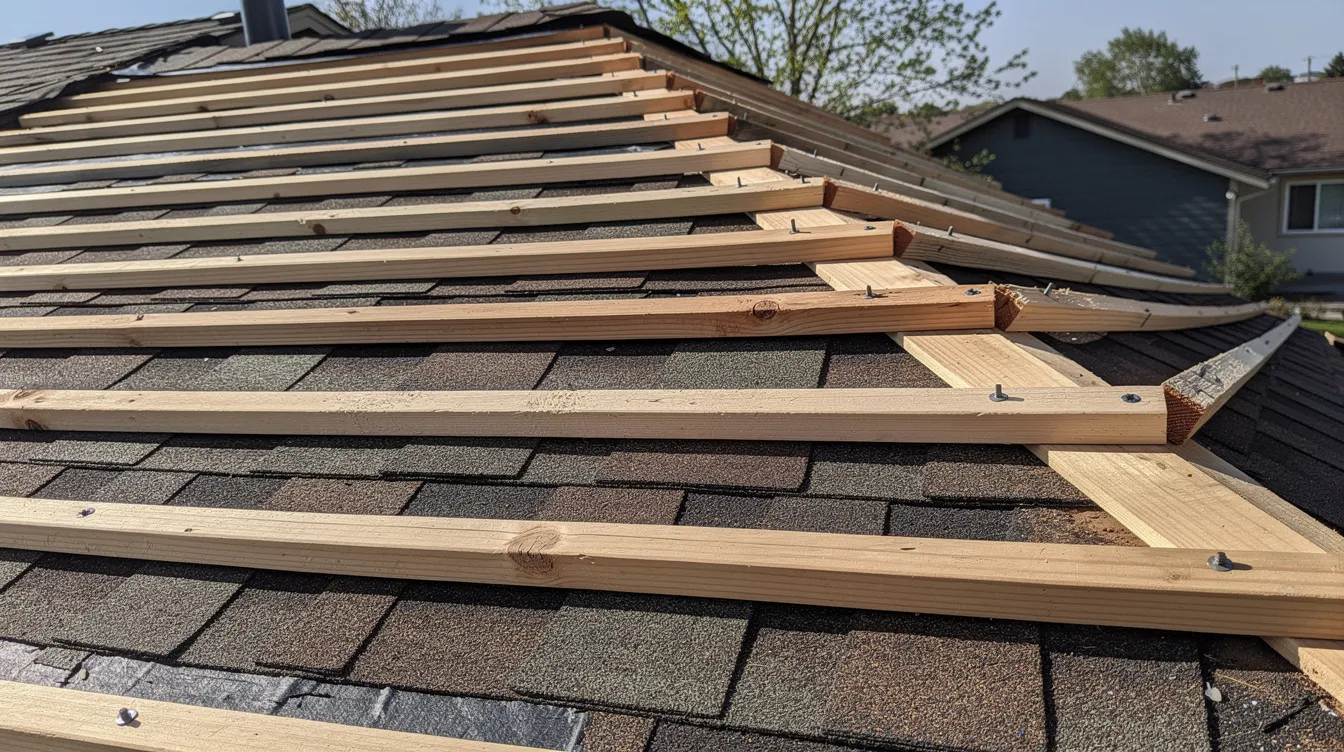
Asphalt shingles are not flat and can create an uneven surface when covered with metal roofing. Older shingle roofs often feature curled edges, buckled areas, or humps where prior repairs were made. When metal panels are installed over that irregular base, the result can be a wavy or oil-canned appearance-particularly noticeable on standing seam profiles when sunlight hits the roof at low angles.
Metal roofing should ideally be installed on a flat surface. Uneven surfaces from shingles can cause installation problems, including stressed fasteners and small gaps that contribute to wind-driven rain leaks. Improperly installed flashing around penetrations compounds the risk. In hurricane- and tropical-storm-prone areas along the Gulf Coast, fasteners must meet wind-load requirements under local codes, and gaps in the roof plane invite water intrusion.
Severely worn, brittle, or high-profile asphalt shingles should be removed or covered with new sheathing or furring strips to create a smooth surface before installing metal panels. Ask contractors exactly how they plan to handle surface irregularities on your specific existing shingle roof, and review photos of similar past projects to evaluate aesthetic appeal.
Risk 6: Ventilation and Condensation Problems
Metal roofing systems behave differently than a traditional shingle roof in terms of heat transfer and condensation. Proper ventilation is crucial when installing metal roofs to avoid condensation-and in Southeast Texas, where attic temperatures can soar and humidity stays elevated for months, this risk is amplified.
Installing metal roofing over shingles without furring strips reduces the air gap where heat and moisture would otherwise dissipate. This increases condensation on the underside of the metal during humid months. Proper ventilation prevents moisture buildup and extends the roof's lifespan, while poor ventilation raises attic temperatures, strains HVAC systems, and increases cooling costs-working directly against the energy efficient reputation metal roofs are known for.
A ventilation plan should include balanced intake through soffit vents and exhaust through ridge vents, turbines, or vented ridge caps, all coordinated with the chosen metal roofing assembly. Metal roofs reflect heat, reducing cooling costs in summer, but only when proper ventilation and adequate air space are part of the system.
Gold Star checks existing soffit, ridge, and gable ventilation systems and may recommend added vents or vented furring strips when installing metal roofing over an existing asphalt shingle roof.
Risk 7: Code, Permit, and Manufacturer Warranty Limitations
Local building codes in Jefferson, Orange, Chambers, Hardin, and coastal areas influenced by Texas Department of Insurance windstorm rules may restrict the number of roofing layers or dictate specific fastening patterns for metal roofing. Building codes often limit roofs to two layers, and some jurisdictions require a tear-off for multiple shingle layers. Local codes may also prohibit metal roofing over shingles entirely in certain wind zones.
Under the International Residential Code (IRC) Section R908.3, recover is permitted only when the existing roof is a single layer, not deteriorated, and the manufacturer's instructions allow overlay. Texas homeowners can review windstorm guidance through the Texas Department of Insurance for additional requirements specific to coastal counties.
Many manufacturers void warranties for roofs installed over shingles if underlayment, furring strips, or ventilation requirements are not followed. Installing a metal roof over shingles without pulling proper permits or outside manufacturer guidelines can also complicate insurance claims after a hurricane or hailstorm.
Have your contractor put code references, roof assembly details, and manufacturer warranty terms in writing before the installation process begins. Gold Star handles permitting and documentation for every metal roof installation and can explain exactly how a roof tear off vs overlay will affect warranty options on your specific home.
Should You Remove Existing Shingles First or Choose an Overlay?
This is the central decision. A complete tear off is usually recommended when there are multiple shingle layers, widespread leaks, sagging roof areas, or roofs older than roughly 20 to 25 years. Some jurisdictions require a tear-off when more than one existing layer is present.
A tear off allows full roof deck inspection, replacement of rotted or delaminated sheathing, and installation of modern underlayment and ventilation details before installing metal roofing. It also eliminates any doubt about the condition of the underlying roof structure.
A metal roof overlay may be technically acceptable when there is only one layer of relatively flat, sound existing shingles, no structural issues, and local codes allow a roof-over. Installing a metal roof over existing asphalt shingles can save on tear-off and disposal costs, and metal roofing can save up to 30 percent on labor costs compared to a full replacement. Installing metal over shingles also reduces construction waste heading to landfills.
Weigh the shorter-term savings of skipping tear off against the potential for hidden problems later. Request pricing for both options from your contractor. For a detailed cost breakdown, see our cost of metal roof vs shingles in Texas comparison guide.
Do You Need Furring Strips Under a Metal Roof Over Shingles?
Whether furring strips are required depends on the specific metal roofing system, panel profile, and manufacturer installation instructions. Using furring strips can create a flat surface for metal roofing installation, help avoid telegraphing of shingle ridges, and open ventilation channels that reduce condensation and improve energy efficiency.
Some standing seam systems are engineered to be installed over synthetic underlayment directly on existing asphalt shingles, while others-like those detailed in the Metal Panels Inc installation guide-specify wood purlins or shingle spacers for separation, plus a synthetic underlayment and moisture barrier for heated spaces. Exposed fastener systems may have different spacing and separation requirements than concealed-fastener standing seam profiles.
Adding furring strips slightly raises roof height and may require flashing adjustments at walls, chimneys, and eaves-details that must be planned during the installation process. The change in roof slope at transitions also needs attention to ensure water drainage isn't disrupted.
Ask your contractor to show manufacturer diagrams for the approved roof assembly, including whether the metal roof over shingles will be installed with or without furring strips, and why that installation method was chosen for your home.
Metal Roof Overlay Inspection Checklist for Texas Homeowners
Before installing metal roofing over existing shingles in Southeast Texas, use this checklist to guide conversations with your contractor:
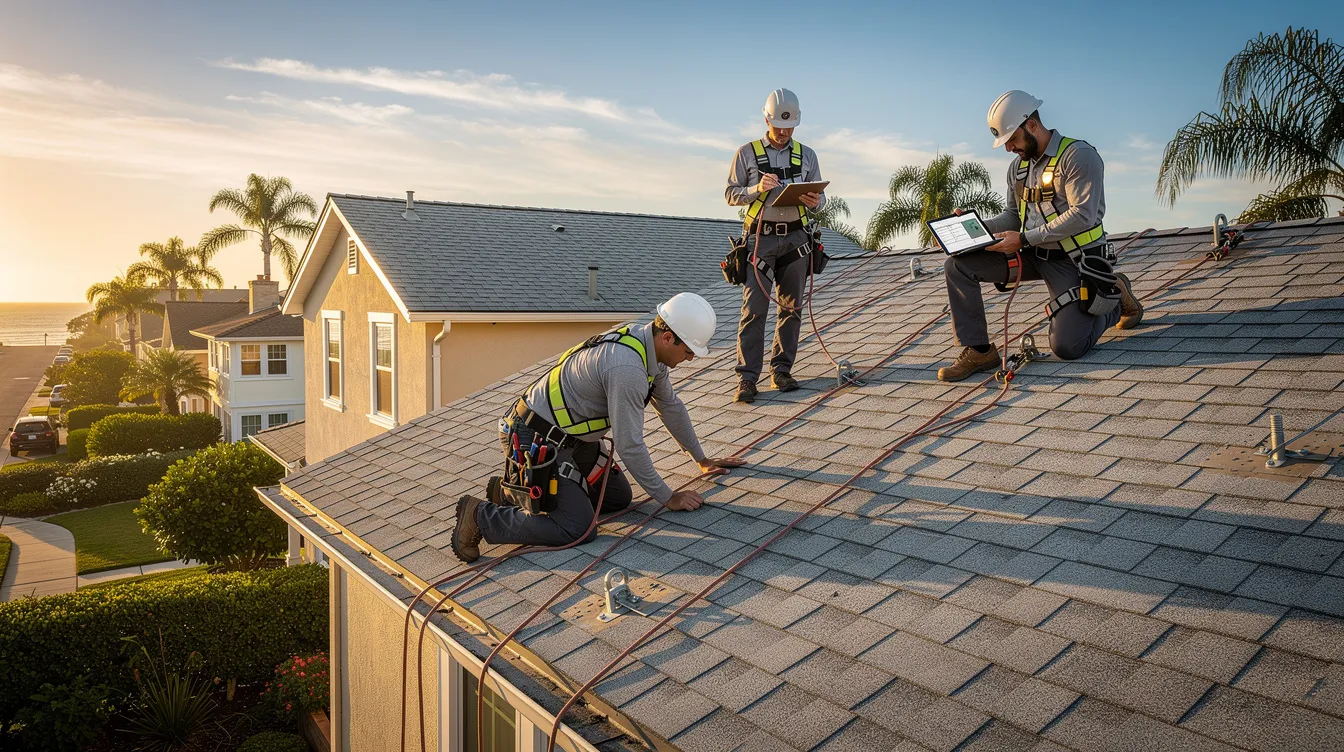
- Existing roofing layers: Count how many layers are already on the roof. More than one typically means tear off is required.
- Shingle condition: Look for damaged or loose shingles, curling, cracking, and granule loss. Repair any damaged or loose shingles before installation if an overlay is chosen.
- Roof deck integrity: Contractors should inspect the roof deck for damage. Check for soft spots, delamination, dark stains, and soft decking from the attic side.
- Attic moisture and insulation: Note any signs of mold, water stains, or excessive humidity. Inspect the roof deck for soft spots and damage before proceeding.
- Roof sag: Any visible sagging in the roofline or ceiling may indicate structural issues that must be addressed before adding weight.
- Ventilation adequacy: Confirm balanced intake and exhaust. Are soffit vents and ridge vents clear and functional?
- Flashing condition: Inspect around chimneys, walls, valleys, and penetrations.
- Code and permit requirements: Check local building codes before installing metal over shingles. Confirm your jurisdiction allows an overlay.
- Debris removal: Remove debris and protruding nails from the existing layer before any new roofing material goes on.
- Documentation: Request photos or video from your roofer showing the existing roof and attic conditions, along with a written recommendation explaining whether a complete tear off or overlay is safer.
Regular inspections should be conducted twice a year after installation to catch issues early. Gold Star uses this type of checklist during free roof assessments, giving Southeast Texas and Southwest Louisiana homeowners clear options for their new metal roof.
Frequently Asked Questions About Metal Roof Over Shingles Problems
Below are answers to practical questions Texas homeowners frequently ask about metal roof overlays-topics not fully covered in the sections above.
Do I Always Need a Permit to Install a Metal Roof Over Shingles in Southeast Texas?
Most jurisdictions in Jefferson, Orange, Hardin, and nearby counties require a roofing permit for both tear offs and overlays. Skipping permits can cause serious issues when selling your home or filing insurance claims. Let your roofing contractor handle permit applications and code research so the project meets local building codes and any windstorm requirements that apply.
Will a Metal Roof Over Shingles Be Louder During Heavy Southeast Texas Rain?
Modern assemblies using quality underlayment, optional furring strips, and adequate attic insulation typically keep noise at reasonable levels. A direct metal-over-shingle installation with minimal separation can be slightly louder during heavy rain. If noise is a concern, ask your roofer about sound-dampening underlayments and attic insulation upgrades as part of the installation process.
Can I Repair Leaks Easily if I Install Metal Roofing Over an Existing Roof?
While metal roofs are generally low-maintenance, tracking down the source of a leak on a metal roof over existing shingles is more complex because water can move between roofing layers before entering the attic. Metal roofs require periodic gentle cleaning to maintain appearance and performance. Pay prompt attention to minor issues like loose fasteners with rubber washers or damaged flashing to avoid more complicated, layered leak repairs later.
Does a Metal Roof Overlay Change My Home's Energy Efficiency?
Metal roofing can improve energy efficiency by reflecting heat, especially with light colors and reflective coatings that lower cooling costs. However, the actual gains depend heavily on underlayment, air gap spacing, and attic ventilation. A poorly vented metal roof over shingles can trap heat and moisture, offsetting energy efficient gains and increasing cooling costs in hot Southeast Texas summers. Properly installed, a metal roof can help improve energy efficiency and deliver lower cooling costs over its lifespan.
How Do I Decide Between Shingle Replacement and a New Metal Roof?
The decision often comes down to budget, how long you plan to stay in the home, storm resilience goals, and the current condition of your asphalt shingle roof and roof deck. A metal roof can last 40 to 50 years with proper maintenance, giving it a sleek and modern look along with long-term value. Gold Star can provide side-by-side estimates for installing new architectural shingle roofing versus a new metal roofing system so you can compare lifespan, maintenance, and total cost. Choose a contractor with experience in metal roofing installations, verify that contractors have necessary licensing and insurance, and request quotes from multiple contractors for comparison.
Get a Professional Metal Roofing Assessment in Southeast Texas
The safest way to avoid metal roof over shingles problems is to start with a thorough, on-site inspection. If you're in Beaumont, Port Arthur, Orange, Lumberton, Vidor, or nearby Southwest Louisiana communities, Gold Star Windows, Doors, Roofing & More can evaluate your existing roof and give you honest, written options for both a roof tear off and an overlay.
We've been serving Southeast Texas since 1994 and understand the local climate, storm exposure, and code challenges that affect every metal roofing decision. Ask us for clear explanations of risks, expected lifespan, and how each choice may impact manufacturer warranties and future repairs.
Gold Star also coordinates exterior upgrades like energy-efficient windows and doors alongside a new roof for a complete home exterior improvement.
Call us at (409) 333-1997 or visit our showroom at 6585 Eastex Freeway, Beaumont, TX 77706. You can also explore our full roofing services online to learn more about what we offer.
Recent Posts