Vinyl vs. Aluminum Windows in Southeast Texas: Which Is Better?
Key Takeaways
- Vinyl windows usually deliver better energy efficiency and lower maintenance for most Southeast Texas homes, while aluminum windows excel in structural strength, slim frames, and modern or commercial designs.
- In Beaumont's hot, humid climate, high-quality vinyl or thermally broken aluminum windows both outperform older single-pane aluminum frames that are common in the area.
- Upfront costs are often lower for standard vinyl windows, but long-term value also depends on durability, energy efficiency, and correct installation.
- Gold Star Windows, Doors, Roofing & More can help homeowners compare options, styles, and glass packages and provide a free replacement window estimate.
Vinyl vs. Aluminum Windows: Key Differences
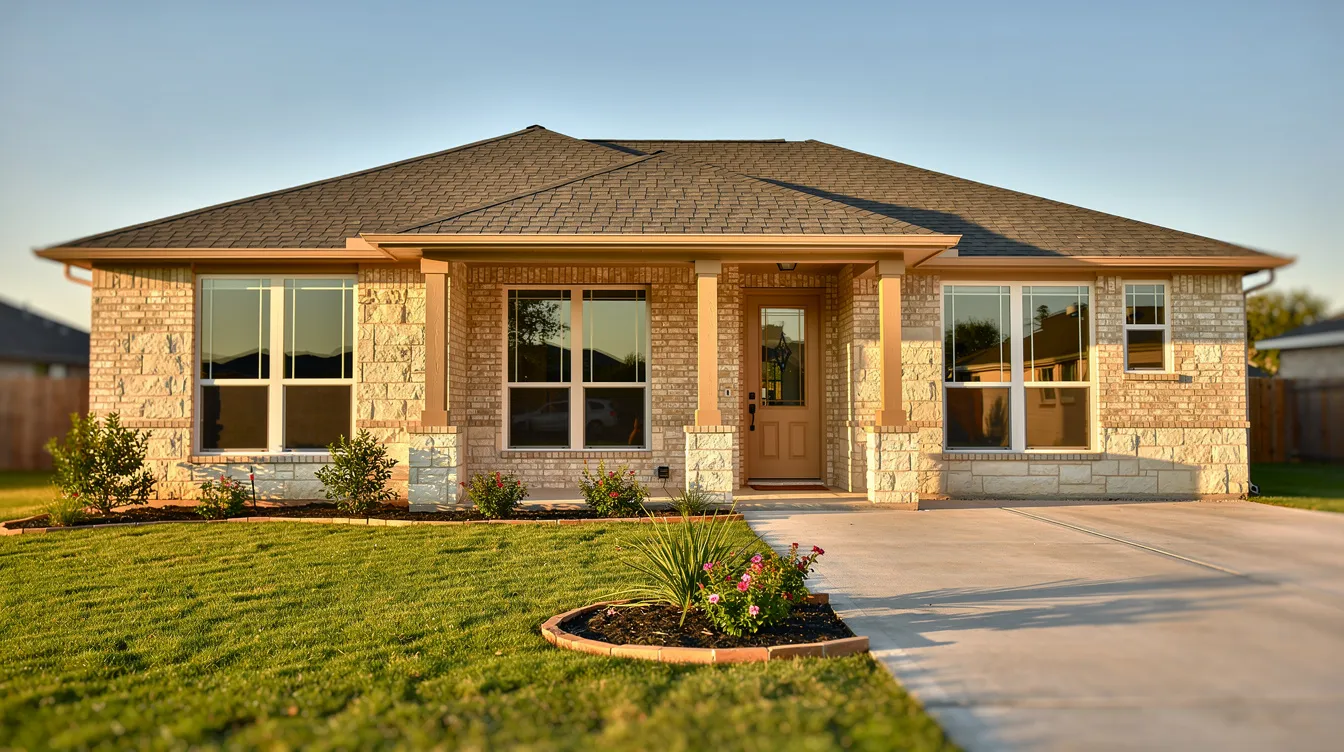
For most residential homes in Southeast Texas, vinyl windows made from polyvinyl chloride (PVC) with multi-chambered frames deliver the best combination of comfort, energy efficiency, and affordability. Aluminum windows, built from lightweight metal extrusions, are a better fit when a project calls for very large openings, slim sightlines, or a modern aesthetic. Both materials serve real purposes, and neither is automatically the wrong choice.
Many older Southeast Texas homes still have non-thermally broken aluminum frames paired with single-pane glass. Those windows are highly energy inefficient by current standards and are among the most common candidates for window replacement. Vinyl is a poor conductor of heat, which keeps indoor temperatures stable. Aluminum windows conduct heat and cold easily, reducing energy efficiency unless the aluminum window's frame includes thermal breaks. Energy efficiency ratings for windows can be compared using U-factor and SHGC ratings from the National Fenestration Rating Council (NFRC).
Whole-window performance depends on three factors working together: frame material, glass package, and proper installation. The table below compares vinyl and aluminum across the categories that matter most in this region.
| Feature | Vinyl Windows | Aluminum Windows |
|---|---|---|
| Frame construction | Multi-chambered PVC; fusion-welded or mechanical corners | Metal extrusions; standard or thermally broken |
| Energy efficiency / insulation | Natural insulation; frame U-values around 0.2 to 0.5 | Poor without thermal breaks (U-values 1.7 to 2.4); improved to 0.8 to 1.3 with breaks |
| Maintenance | Low maintenance; no painting; clean with soap and water | Requires lubrication, paint/coating inspection, corrosion checks |
| Appearance / frame profile | Thicker frames; soft edges; traditional look | Thinner frames; narrow sightlines; sleek, contemporary look |
| Durability (heat, humidity, coast) | Resists rot, rust, corrosion; UV-stabilized; may expand in extreme heat | Strong against warping; finish can corrode in salty air if damaged |
| Relative cost | Entry-level to midrange; most budget-friendly efficient option | Basic aluminum is inexpensive; thermally broken models cost 2 to 3 times more than vinyl |
Both vinyl and aluminum are valid choices. The right window material depends on your climate exposure, budget, and design goals.
Which Windows Perform Better in Texas Heat and Humidity?
Southeast Texas has long cooling seasons, average relative humidity in the 70s to mid-80s percent for most of the year, strong solar radiation from spring through fall, and tropical storm risk near the Gulf Coast. Those conditions put window performance under constant stress.
Vinyl frames minimize heat transfer because PVC is a natural insulator. Multi-chambered vinyl window frames trap pockets of air inside the frame, adding resistance to heat flow. Many vinyl windows feature multi-pane glass with Low-E coatings and argon gas fills, making it straightforward to meet the ENERGY STAR South-Central requirements of U-factor 0.28 or below and SHGC 0.23 or below. Vinyl windows provide better energy efficiency than aluminum in most residential applications.
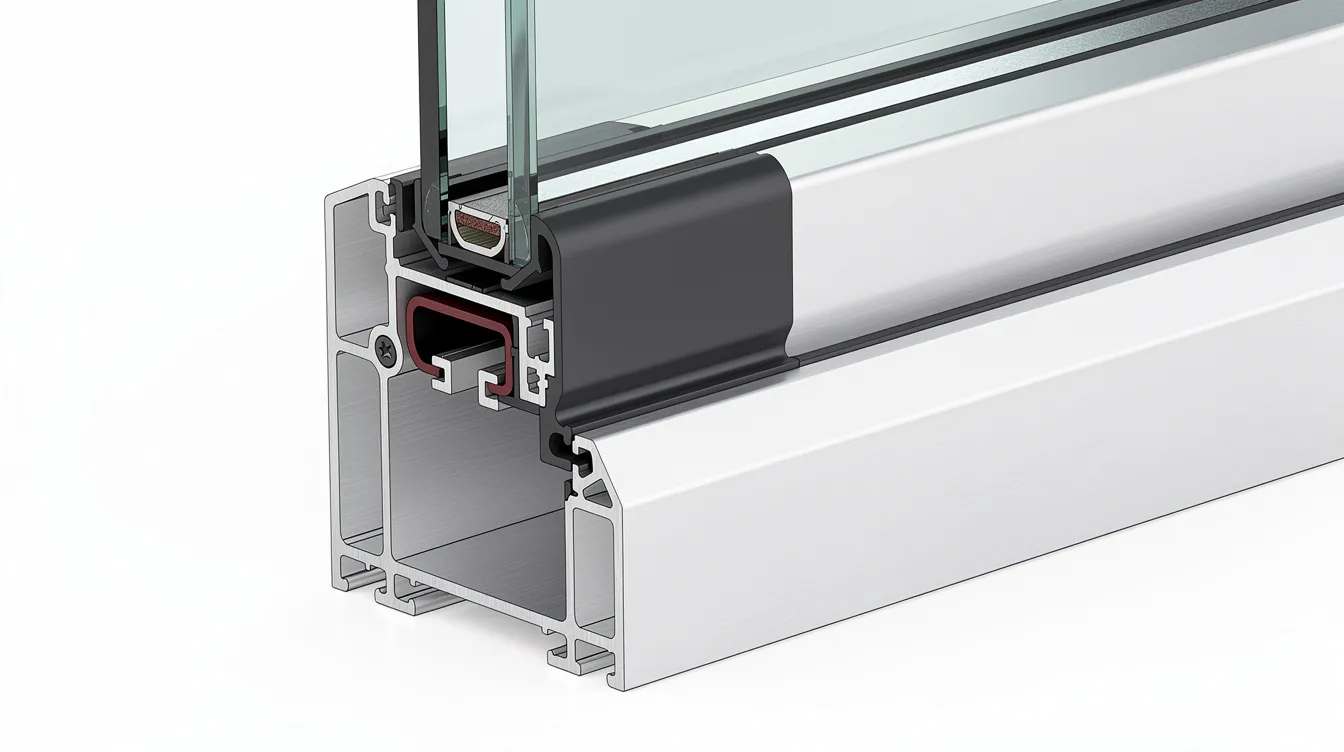
Aluminum, without insulation built into the frame, acts like a radiator. Heat flows through the metal underneath the exterior coating and into your living space, forcing air conditioning systems to work harder. Many modern aluminum windows now include thermal breaks, which are nonconductive plastic or polyamide sections placed between the interior and exterior portions of the frame. These thermal breaks interrupt heat transfer and reduce condensation on the interior glass surface; a real concern when Beaumont humidity meets air-conditioned interiors.
Glass packages matter just as much as frame material. Double-pane insulated glass with warm-edge spacers, a Low-E coating treatment tuned for southern sun, and argon gas fill can reduce unwanted heat gain and lower energy costs regardless of frame type. Solar heat gain coefficient (SHGC) is the number to watch: lower SHGC means less solar energy passes through the window. For homes that rely on air conditioning eight or more months a year, a low SHGC directly reduces energy bills.
Both vinyl and aluminum impact windows are available for coastal wind zones. Laminated impact glass, bonded to a polymer interlayer, holds together under debris impact and is tested to ASTM and Texas Department of Insurance standards. Aluminum's strength supports large laminated panels over wide spans, while vinyl impact windows cover standard residential openings. For a deeper look at advanced glass and frame options, see our guide to energy-efficient windows for Beaumont, TX homes.
Vinyl vs. Aluminum Window Cost
Exact prices vary based on brand, size, glass options, and installation conditions. Rather than quoting a single number, here is how the two materials compare in relative terms.
Vinyl windows typically cost between $800 and $1,600 each, depending on style, glass package, and features. Aluminum windows average $275 per window for basic, non-thermally broken units. Aluminum is generally less expensive to manufacture than vinyl at the entry level, but thermally broken aluminum units designed for residential comfort often cost two to three times more than standard vinyl. High-end vinyl windows may cost more upfront but save on energy bills over the life of the window. Vinyl windows are often considered the most cost-effective option for budget conscious homeowners who want to improve energy efficiency without sacrificing comfort.
Installation adds $100 to $300 per window, depending on complexity. Factors that push installation costs higher include larger windows, second-story access, stucco or brick cut-backs, custom shapes, and the need for impact-rated assemblies. Installation complexity is similar for both vinyl and aluminum in standard openings, but oversized or heavy glass units in aluminum frames can require additional labor.
Long-term ownership costs separate the two materials further. Vinyl's natural insulation means less energy spent on cooling, which adds up over 20 to 30 years. Aluminum frames without thermal breaks carry a persistent energy cost penalty. Maintenance costs also differ: vinyl frames require no painting, while a painted aluminum frame may need periodic touch-ups or refinishing, especially in humid or coastal air. For a detailed breakdown of local pricing factors, visit our window replacement cost guide for Beaumont, TX.
Maintenance and Durability in Southeast Texas
Heat, humidity, salty air near the Gulf, and intense UV exposure all affect how window materials age. Product quality and proper installation matter as much as the same material choice itself.
Vinyl windows do not corrode over time. Color runs through the window frame material rather than sitting on top as an external coating, so scratches do not expose a different material underneath. Modern vinyl formulations are UV-stabilized to limit fading and brittleness. Vinyl is highly resistant to scratching and cracking. Vinyl windows can last up to 40 years with quality manufacturing; most homeowners can expect 20 to 30 years of reliable service. The main risk in Southeast Texas is thermal expansion: vinyl frames expand and contract with temperature swings, and poor installation can stress seals over time. Vinyl windows require no painting or staining and can be cleaned with soap and water. Checking weatherstripping and caulk once or twice a year covers most routine care.
Aluminum windows typically last longer in terms of structural integrity, ranging from 30 to 50 years, though finish quality determines real-world lifespan. An average lifespan of 20 to 25 years is common when finishes degrade in harsh conditions. Aluminum is more prone to dents than vinyl, and aluminum can corrode due to moisture exposure, especially around steel or zinc fasteners in salty or coastal air. If a powder-coat or painted finish chips, bare metal is exposed and corrosion can start within months. Aluminum windows need regular lubrication for moving parts and require checking for rust and corrosion at joints and hardware. Regular maintenance of the finish extends service life.
Condensation is another concern. Older aluminum frames without thermal breaks create cold (or hot) spots on interior surfaces, leading to moisture buildup, staining, and potential mold. Thermally efficient frames and proper air sealing reduce this risk. Vinyl windows have lower maintenance needs than aluminum overall, and their low conductivity makes interior condensation less likely.
Design Options and Window Styles
Both vinyl and aluminum windows come in multiple styles and finishes. Design preference often drives material choice as much as cost or efficiency.
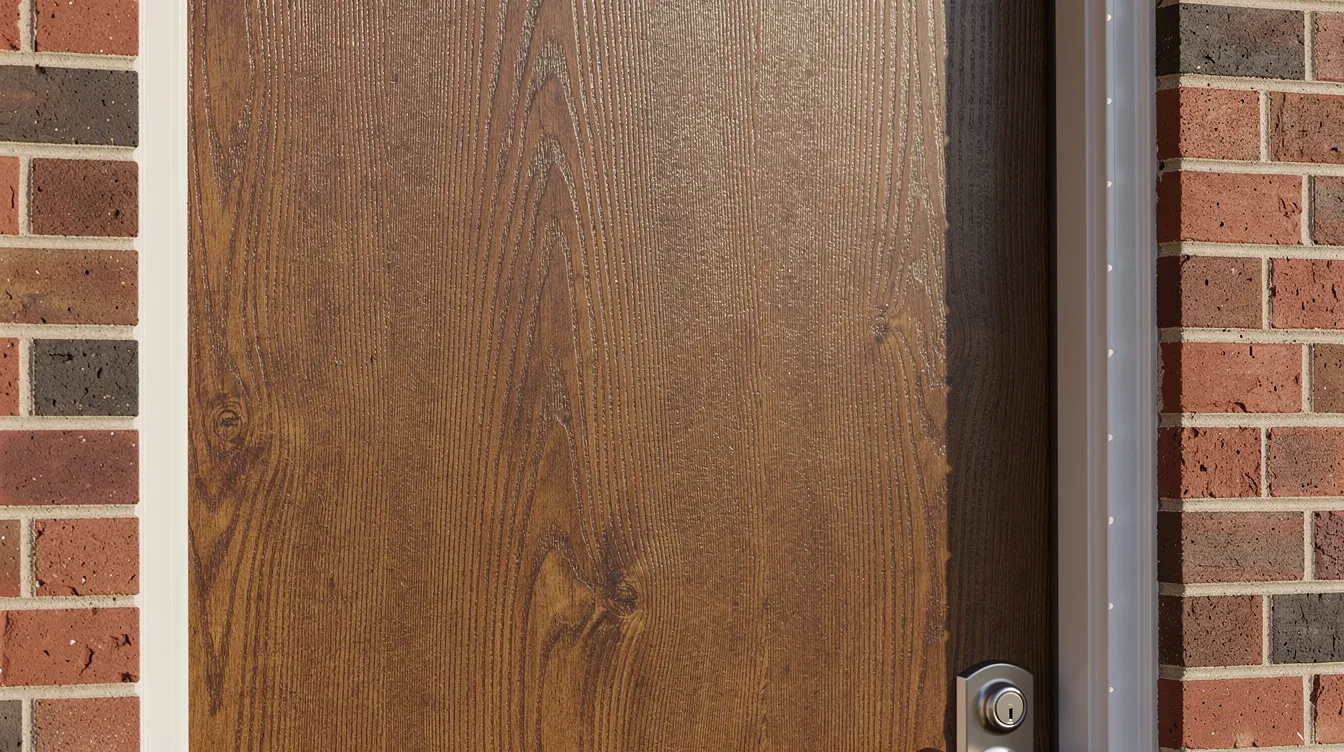
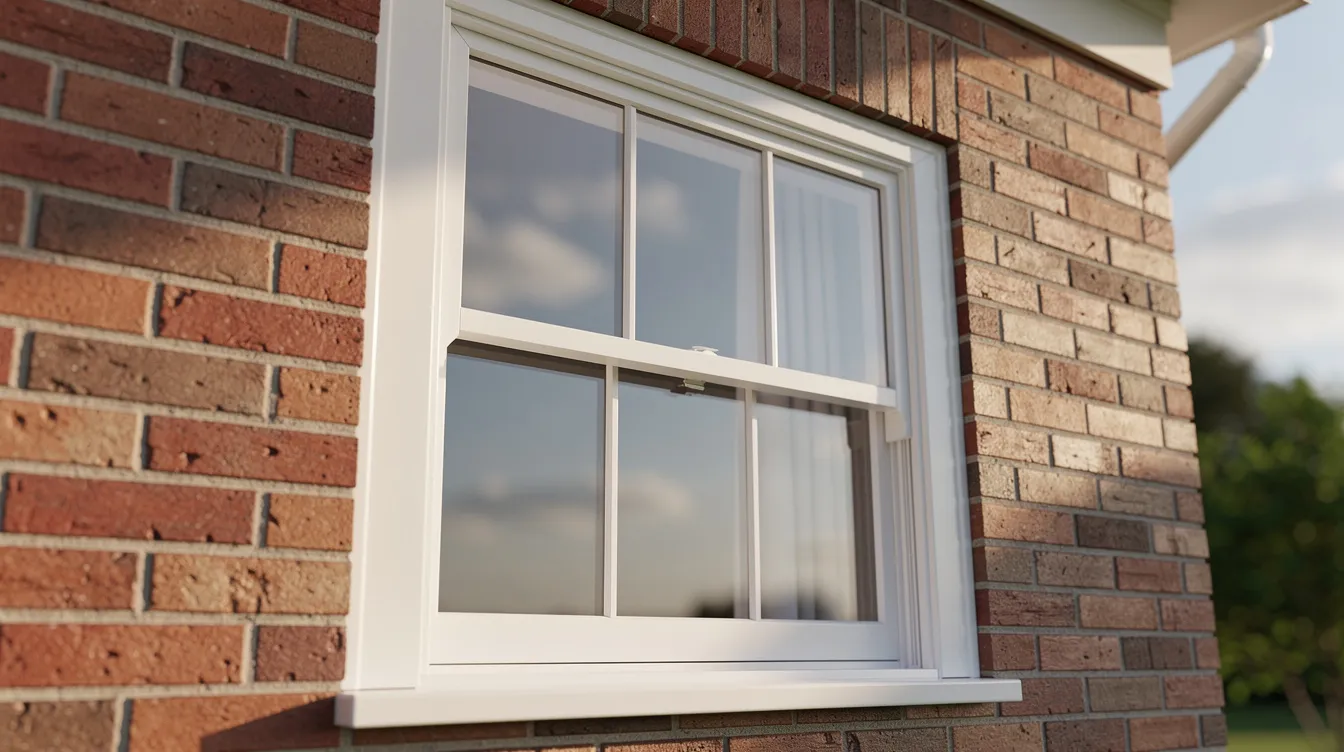
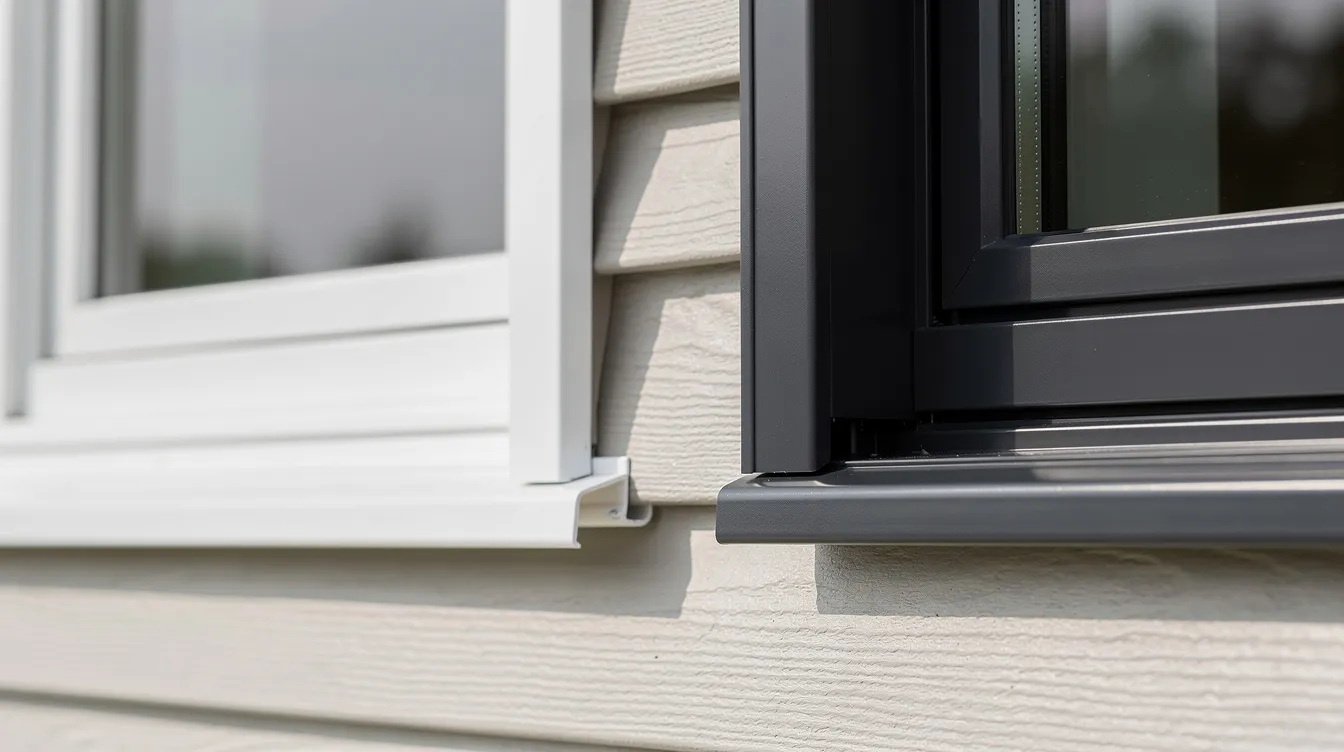
Vinyl frames are thicker than aluminum frames, which affects aesthetics. The thicker profile suits traditional, transitional, and craftsman-style homes. Vinyl windows offer a wood-like appearance with various finishes, including a vinyl wood grain effect that mimics actual wood without the regular maintenance real wood windows demand. Vinyl windows are less customizable in color than aluminum; most are factory-finished in whites, tans, and select darker shades, including black vinyl windows. They do not require painting, but they also cannot be repainted later.
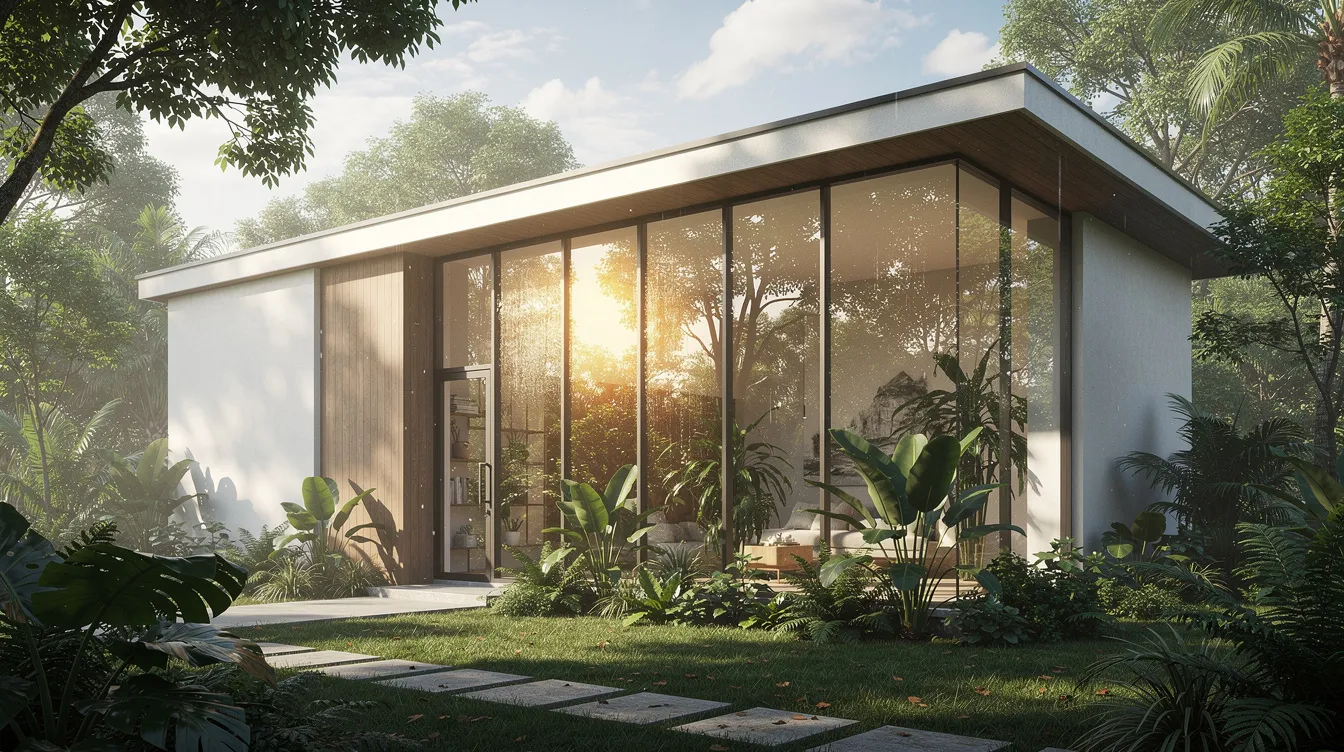
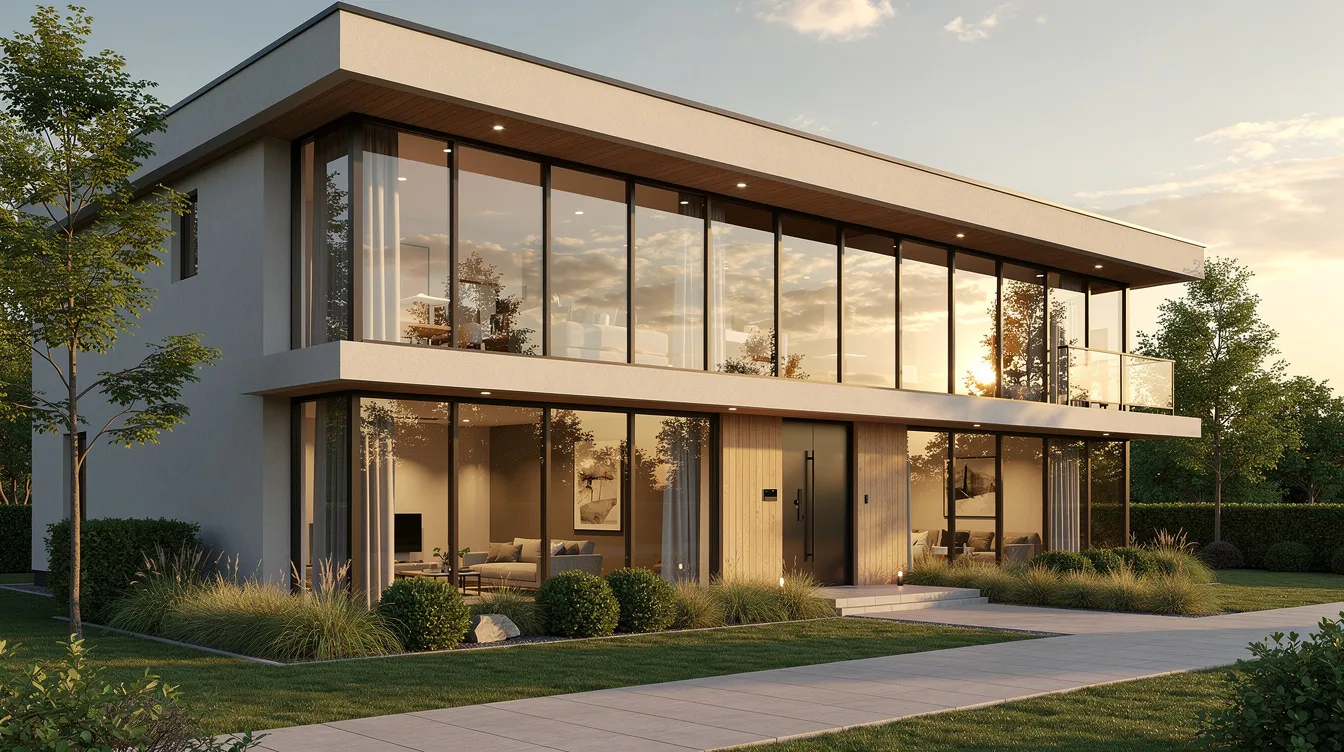
Aluminum windows have thinner frames, suitable for modern designs that maximize glass area. Aluminum is favored for modern and contemporary architecture due to its sleek design and narrow sightlines. Aluminum frames can be painted for color customization, and many modern aluminum windows come powder-coated in a wide range of colors, including black window frames that suit industrial and minimalist aesthetics. The ability to refinish or repaint gives aluminum an edge in aesthetic appeal flexibility.
Gold Star commonly installs single-hung, double-hung, sliding, picture, casement, and awning windows in both vinyl and aluminum where available. For very large picture windows or multi-panel configurations, aluminum's strength and lighter weight per square foot of glass can be beneficial. Specialty shapes like arched or geometric windows are possible in both materials. If you are coordinating new windows with door replacement or patio doors, our residential windows and doors team can help match styles across your home's exterior for consistent curb appeal.
Which Window Material Is Right for Your Southeast Texas Home?
There is no single best window frame for every home. The right answer depends on your top priorities, home style, and location within Southeast Texas or nearby Louisiana.
If maximum energy efficiency and low maintenance on a typical Beaumont single-family home are your goals, quality vinyl windows with efficient glass packages are usually the strongest match. Vinyl is generally a better choice for homeowners prioritizing energy efficiency on a budget, and the combination of natural insulation, noise reduction vinyl window performance, and durability vinyl window characteristics make it a bottom line product that delivers long term value.
If your project involves very large openings, expansive glass walls, or a modern aesthetic, thermally broken aluminum windows with the best thermal break technology may be the better fit. The strength vinyl window frames offer is sufficient for standard residential openings, but aluminum handles oversized panels and commercial buildings more readily.
Homes near coastal or marsh areas where wind and salt are factors should consider impact-rated products in either material. Both vinyl and aluminum impact windows exist; the key is verifying that finishes, hardware, and installation meet local building codes for windborne debris zones. Strict HOA or architectural requirements may push the decision one way: if a specific color or profile thickness is mandated, that narrows the field based on available finishes in different materials.
Think beyond just the window frame. Glass performance, proper installation, and warranty support from a local company that understands Jefferson, Orange, Chambers, and Hardin counties matter just as much. For more in-depth guidance on choosing and installing vinyl windows specifically, see our vinyl windows buyer's guide.
Frequently Asked Questions About Vinyl vs. Aluminum Windows
These questions address specific decisions Southeast Texas homeowners face when comparing vinyl and aluminum.
Are aluminum windows still a good choice if my home already has older aluminum frames?
Many Beaumont-area homes were built with basic aluminum windows that lack thermal breaks. Replacing them with modern thermally broken aluminum restores structural performance and improves insulation, but switching to vinyl often delivers greater energy efficiency for typical residential openings at a lower price point. The recyclability vinyl window and aluminum window options both offer means neither material is wasteful, but vinyl's lower conductivity gives it an edge in homes where security and energy efficiency are priorities.
Which material is better for noise reduction along busy Southeast Texas roads?
Multi-chambered vinyl frames have a slight edge in sound dampening because PVC absorbs more vibration than metal. However, glass configuration matters more: double- or triple-pane insulated glass with laminated layers reduces noise far more than frame material alone. If noise is a concern, ask about laminated glass options in either vinyl or aluminum.
Do vinyl or aluminum windows add more resale value to my home?
Buyers in Southeast Texas tend to look for newer, energy efficient replacement windows in good condition, regardless of frame material. Documented energy performance, appearance vinyl window quality, and overall home comfort tend to contribute positively to resale more than frame material alone. Other materials like wood windows offer natural beauty but demand more upkeep in this climate.
Can I mix vinyl and aluminum windows on the same house?
Mixing is possible. Some homeowners use aluminum for a specially protected, larger windows configuration like a panoramic picture window and vinyl for standard bedrooms. Match exterior colors and sightlines so the overall look remains cohesive. A contractor experienced with both materials can help coordinate the distinct advantages of each for an exact match in curb appeal.
How do I need impact windows instead of standard vinyl or aluminum?
Local building codes in windborne debris zones near the Gulf may require impact-rated windows or protective shutters. Proximity to the coast, your insurer's requirements, and personal preference for storm protection all factor in. Both vinyl and aluminum impact windows are available and tested to Texas Department of Insurance standards. Even outside mandatory zones, impact glass adds security and can lower insurance premiums. Parts that must be lubricated regularly, like locks and operators, should use corrosion-resistant hardware in coastal areas.
Get Professional Window Replacement Advice in Beaumont, TX
Choosing between vinyl and aluminum is easier when you can discuss your home's windows, budget, and priorities with someone who installs both materials in Southeast Texas every week. National averages and generic window tips only go so far.
Gold Star Windows, Doors, Roofing & More has served the Beaumont area and surrounding Texas and Louisiana communities since 1994. We install residential vinyl windows, aluminum windows, doors, roofing, and more. Our team can inspect your existing window frames and glass, recommend energy efficient windows tailored to Texas heat and humidity, and walk you through options for black windows, impact windows, and custom sizes in both vinyl and aluminum. We also handle replacement windows for full-home upgrades and window installation for new construction.
Gold Star is not an auto glass or generic glass shop. We are a specialized residential and commercial window, door, and roofing contractor focused on delivering new windows that perform in this climate and last.
Ready for a free quote? Call us at (409) 333-1997 or visit us at 6585 Eastex Freeway, Beaumont, TX 77706. We serve homeowners in Jefferson, Orange, Chambers, Hardin, Tyler, Jasper, and Newton counties, as well as Beauregard and Cameron parishes in Louisiana. Request your no-obligation estimate and find out which window material fits your home, your budget, and your Southeast Texas lifestyle.
Recent Posts